


Roman Bogoslavsky
What is a VPN and How to Use a VPN?
A VPN hides your IP address and encrypts everything your device sends — so your internet provider, the websites you visit, and anyone sharing your…

Proxy vs VPN: What’s the Difference and Which Should You Use?
Proxy vs VPN: the short answer A proxy is a middleman server that hides your IP address for a single app or browser, usually without…
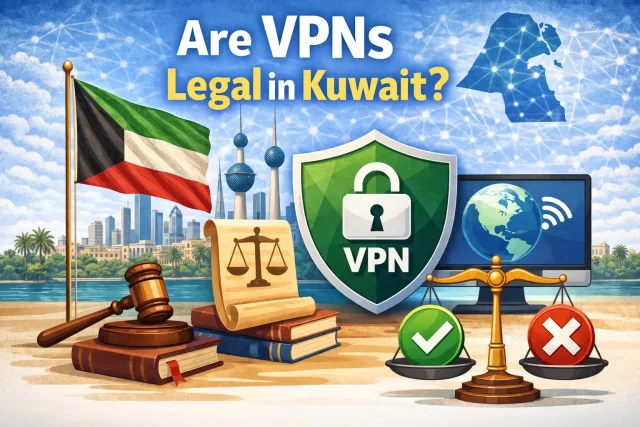
Yes. VPN use is generally legal in Kuwait. There is no law that bans VPN technology itself. Kuwait does not have a blanket prohibition on…
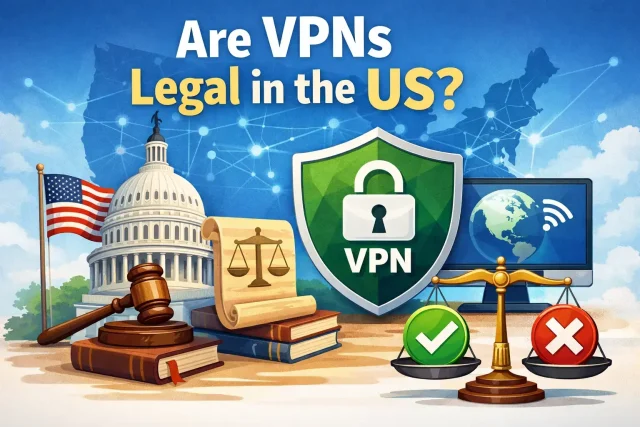
Yes. In the United States, ordinary VPN use is legal for consumers, travelers, employees, and businesses. There is no federal rule that bans normal VPN…
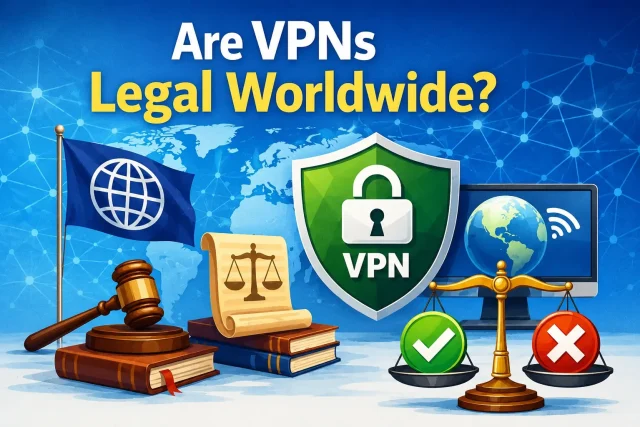
VPNs are legal to use in most countries, including the US, UK, Canada, and across the EU, where they're a normal tool for privacy and…
Yes. VPNs are generally legal in Turkey for privacy and security use. There is no national ban that outlaws VPN technology itself. Turkish public institutions…
Yes. VPN is allowed in China, but only in a narrow and controlled sense. China does not ban every VPN arrangement outright. It does, however,…
Yes. VPNs in the UAE are legal when you use them for lawful purposes. The risk starts when a VPN is used to commit an…
Yes. In Canada, VPN use is generally legal for normal personal and business purposes. Federal cyber guidance actively recommends VPNs for public Wi-Fi and remote…